Retaining Walls & Concrete Masonry
Build strong, attractive retaining walls that hold back earth, prevent erosion, and create usable outdoor spaces.
Why You Need a Properly Built Retaining Wall
Retaining walls serve a critical structural purpose. They hold back soil on slopes, prevent erosion, and create level areas on hilly properties. A well-engineered retaining wall protects your property from soil movement, controls water runoff, and turns unusable hillsides into functional outdoor spaces. Without proper retaining walls, sloped yards erode, foundations get undermined, and landscapes deteriorate.
Many properties in Aliso Viejo have some slope or grade changes. These elevation differences create challenges for landscaping and construction. Retaining walls solve these problems by creating terraced levels, supporting driveways on slopes, or protecting structures from soil pressure. They transform difficult terrain into usable space.
Retaining wall failure is expensive and dangerous. Walls that tip, crack, or collapse cause property damage and safety hazards. The key is proper engineering and construction from the start. We have been building retaining walls and masonry structures in Aliso Viejo since 2024. We understand soil conditions, drainage requirements, and building codes that govern retaining wall construction. Your wall gets built right so it performs reliably for decades.
Types of Retaining Walls and Masonry We Build
Different retaining wall systems work best for different situations. We help you choose the right type based on wall height, soil conditions, drainage needs, and aesthetic preferences:
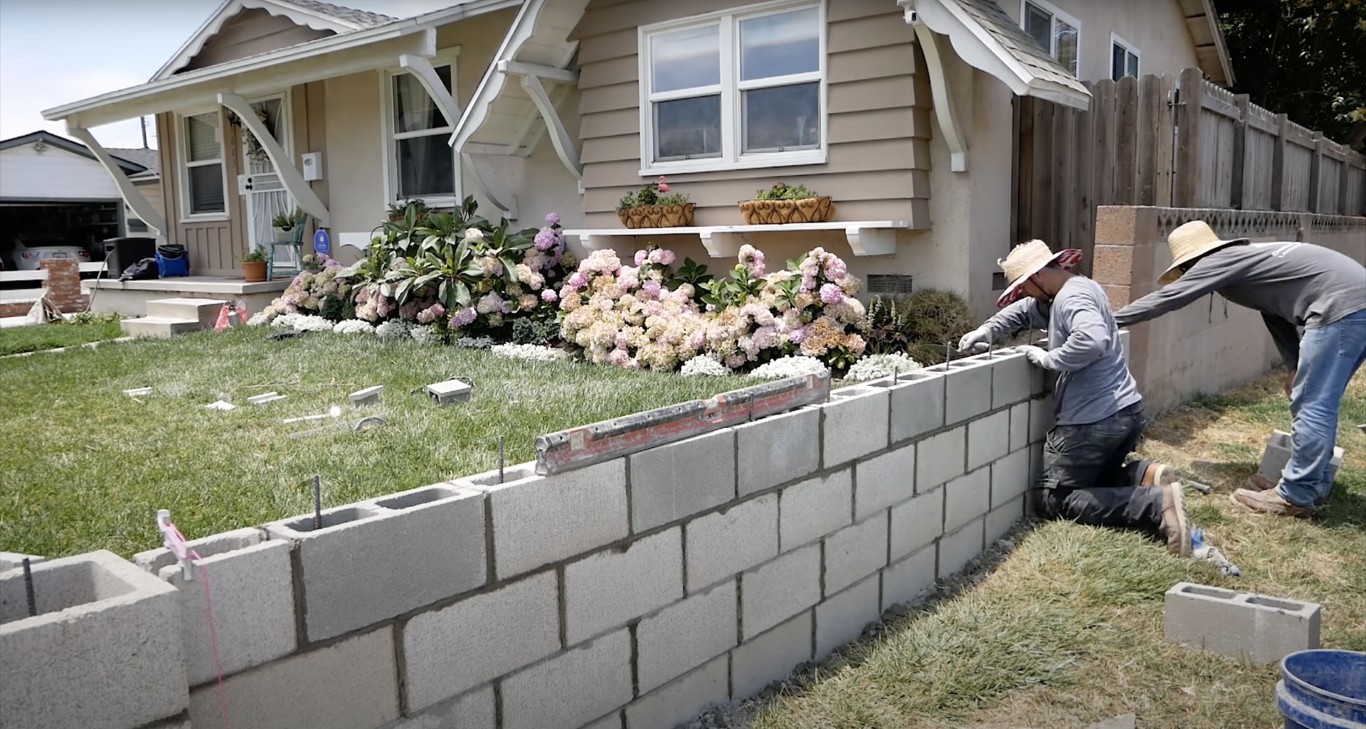
- •Concrete block retaining walls: Modular blocks stack and interlock to create strong walls. Available in many colors and textures. Good for walls up to 8 feet tall.
- •Poured concrete walls: Solid concrete walls with steel reinforcement. The strongest option for tall walls or walls with significant soil pressure. Can be finished smooth or textured.
- •Natural stone walls: Beautiful traditional look using stacked stone or mortared stone veneer. More expensive but creates timeless, elegant appearance.
- •Brick masonry walls: Classic brick construction for shorter retaining walls and garden walls. Adds architectural detail and complements traditional home styles.
- •Decorative garden walls and planters: Low walls that define landscape areas, create raised planting beds, or add visual interest without major structural requirements.
Each wall type has advantages and appropriate applications. Height restrictions, engineering requirements, and local building codes affect which options work for your property. Walls over a certain height (typically 4 feet in most areas) require engineering and permits. We handle all necessary engineering calculations and permit applications to ensure your wall is legal and safe.
Engineering and Construction Process
Proper retaining wall construction starts with site evaluation. We assess your soil type, slope angle, drainage patterns, and how much earth the wall needs to retain. This information determines wall design, footing requirements, and drainage systems needed. Skipping this analysis leads to wall failure.
The foundation is critical. We excavate below frost line and pour substantial concrete footings that anchor the wall. The footing must be large enough and deep enough to support the wall weight plus the pressure from retained soil. Footings that are too small or shallow cause walls to tip forward.
Drainage is equally important. Water trapped behind retaining walls creates enormous pressure that can crack or topple even well-built walls. We install drainage systems including gravel backfill, perforated drain pipes, and weep holes that allow water to escape safely. Proper drainage is not optional, it is required for wall longevity.
As we build the wall, we ensure proper setback (slight backward lean), adequate reinforcement, and quality materials. Shortcuts during construction compromise wall integrity. We follow engineering specifications exactly because your safety and property depend on it. Once complete, your wall handles soil pressure, water, and time without problems. If you need related work like patio installation or walkways near retaining walls, we coordinate everything in one project.
Design Ideas and Landscaping Integration
Retaining walls should enhance your landscape, not just function as barriers. Terraced walls create multiple levels for gardens, seating areas, or planting beds. Built-in steps can integrate into walls for access between levels. Lighting installed in or near walls adds ambiance and safety at night.
Material and color choices affect how walls blend with your property. Natural stone looks organic and works well in naturalistic landscapes. Clean-lined concrete blocks suit modern designs. Brick complements traditional architecture. We help you choose materials that match your home style and personal preferences.
Curved walls often look more natural than straight walls, especially in garden settings. Curves follow landscape contours and create visual interest. However, curves require more planning and precision during construction. We can build walls in virtually any configuration you envision.
Many homeowners combine retaining walls with other concrete work to create complete outdoor living areas. A retaining wall might support a new patio, define a level lawn area, or create space for an outdoor kitchen. We coordinate all aspects of the project so everything flows together and complements your overall landscape design.